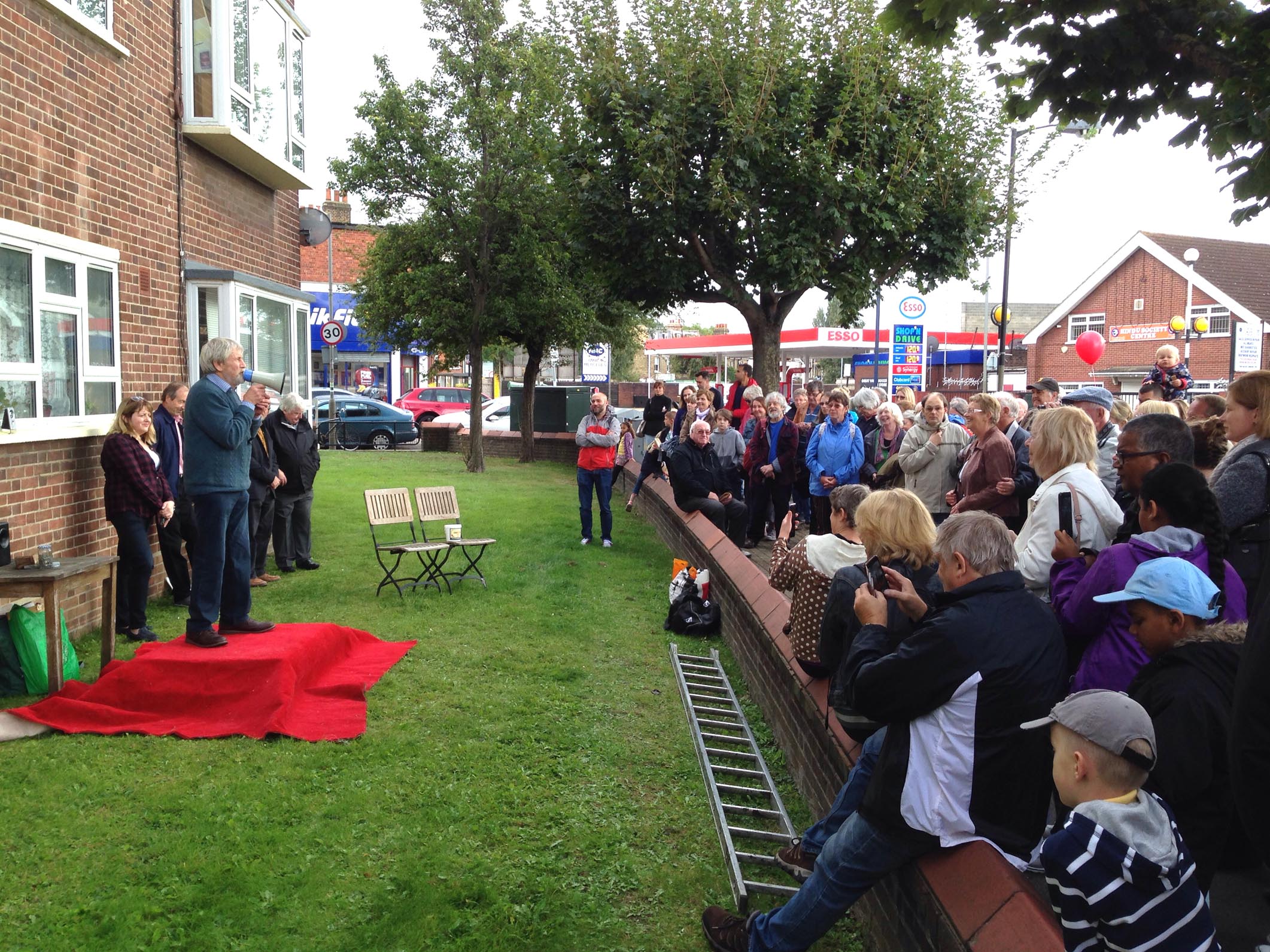
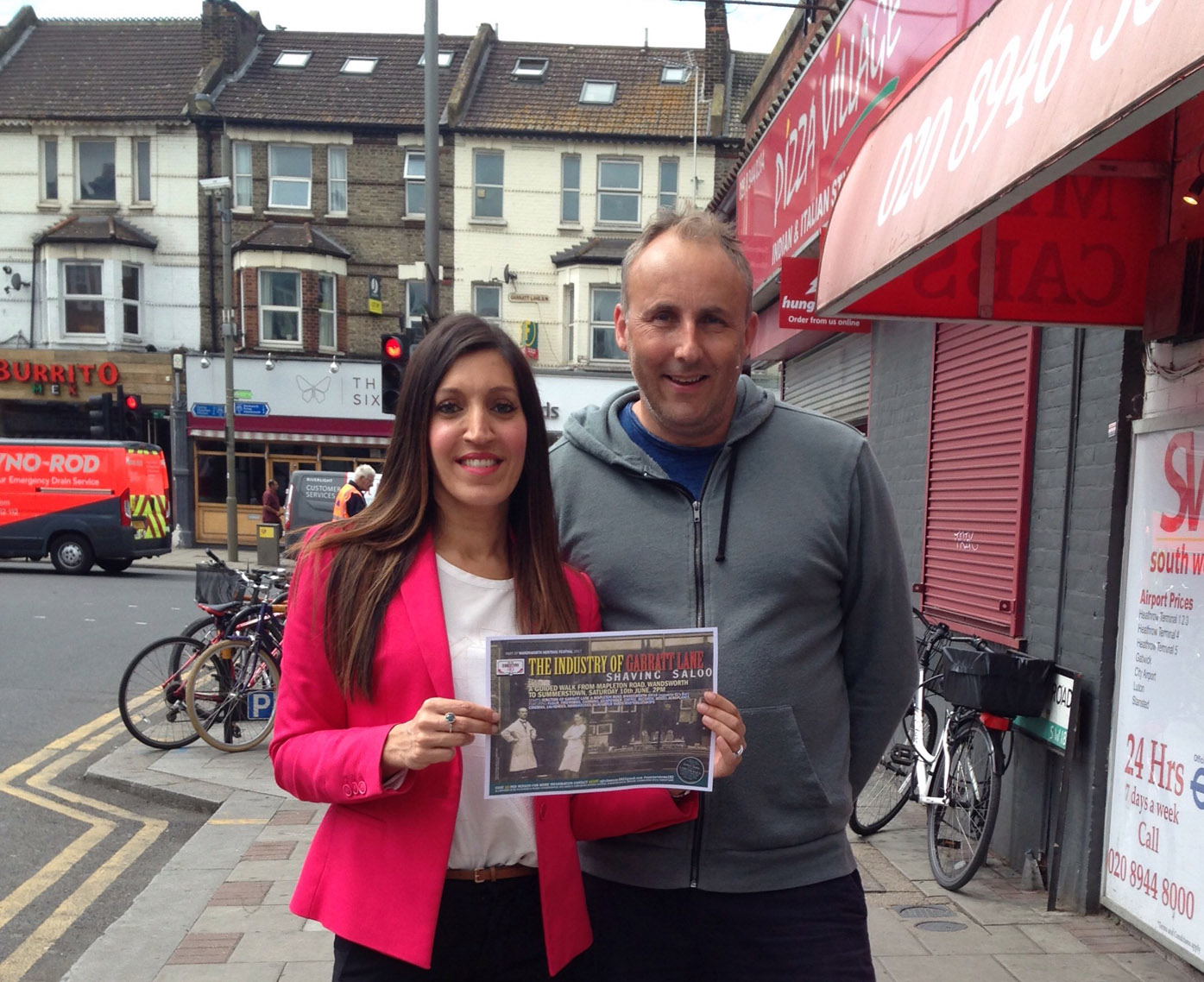
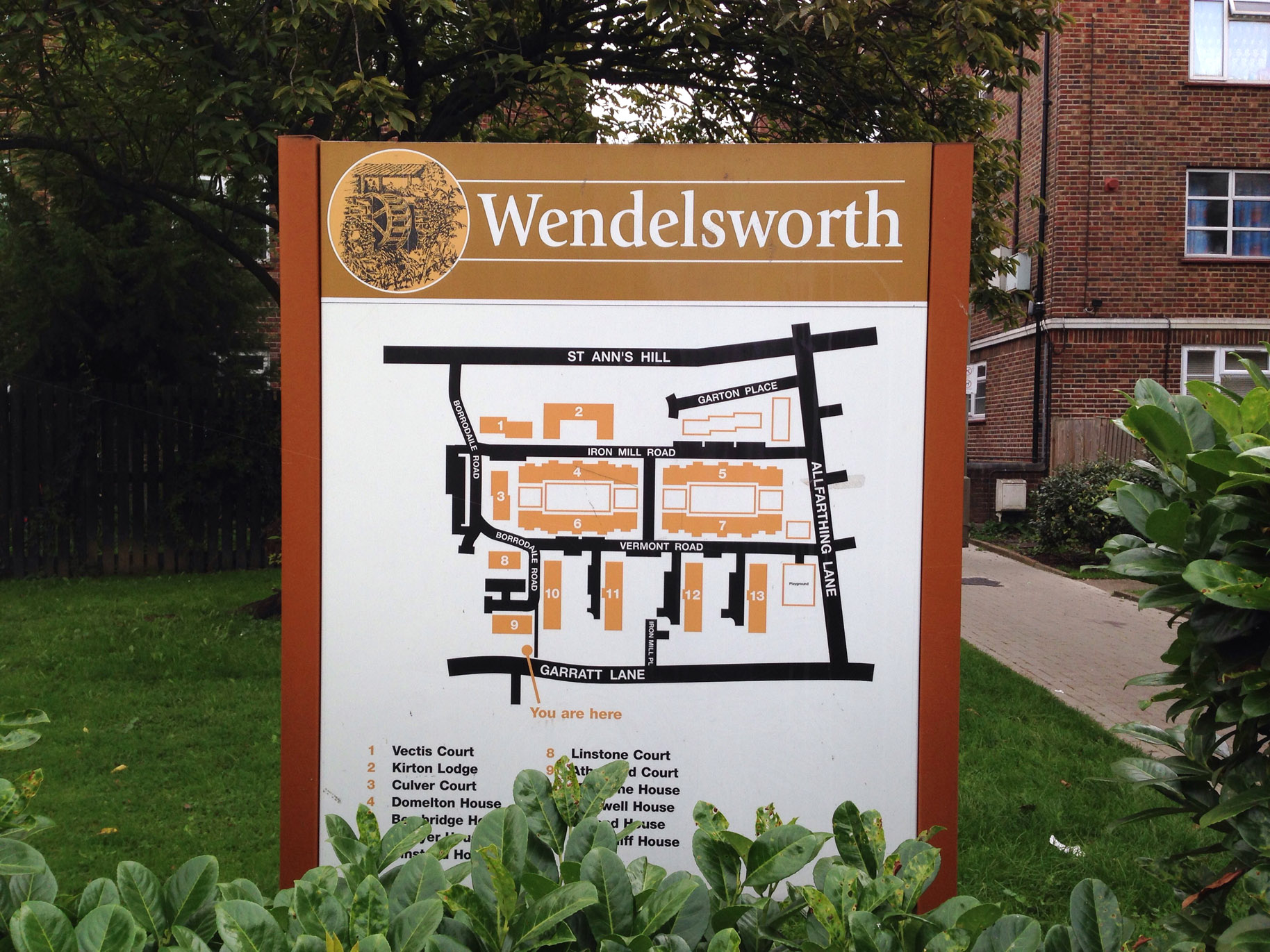
Whilst preparing for the ‘Industry of Garratt Lane’ Walk in June, I spent a lot of time on the Wandsworth section of this historic route, just up a bit from Southside, near the Wendelsworth Estate adjoining All Farthing Lane. This was one of two Wandsworth Heritage Festival ‘Earlsfield’ walks which raised money to put up a plaque commemorating Kevin Kelly’s extraordinary story about Robert Sadler and his mid-Victorian running ground. Surely one of the most industrious of all Garratt Lane habitués, Robert’s Great Great Grandson Robin came over to unveil the plaque in a memorable ceremony on Saturday. We started that walk at the site of what was once James Henckell’s iron foundry, forging weapons of destruction which were used at Trafalgar and Waterloo.
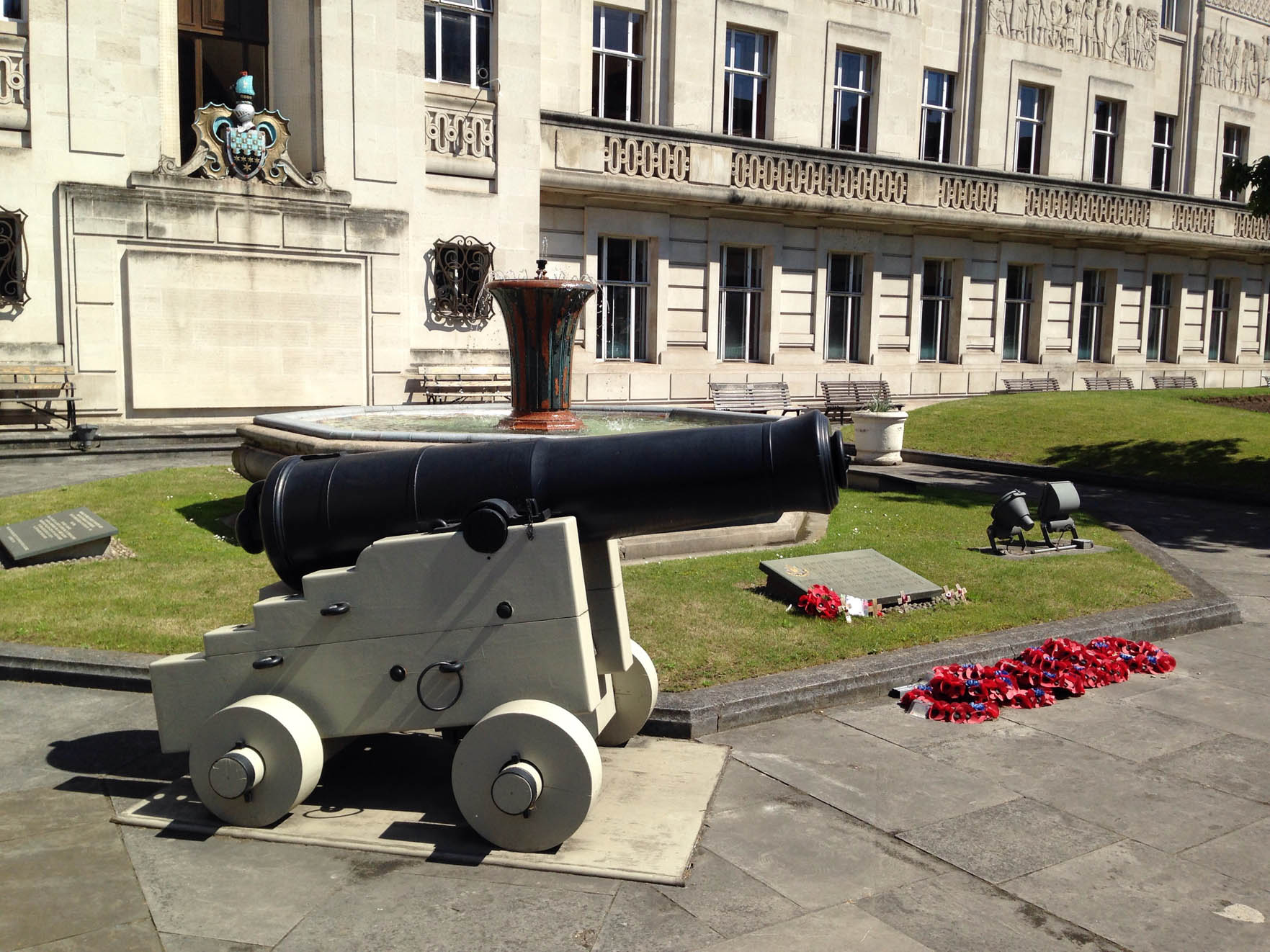
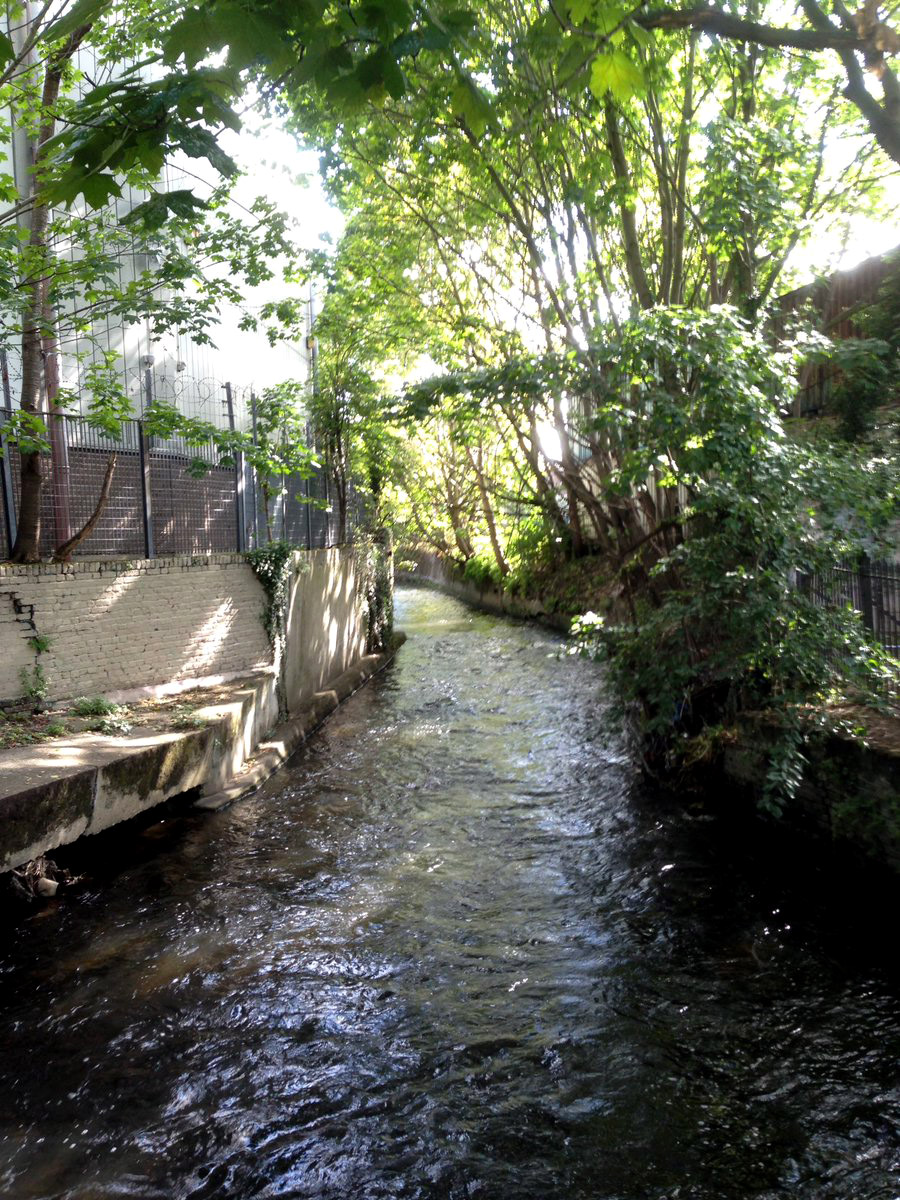
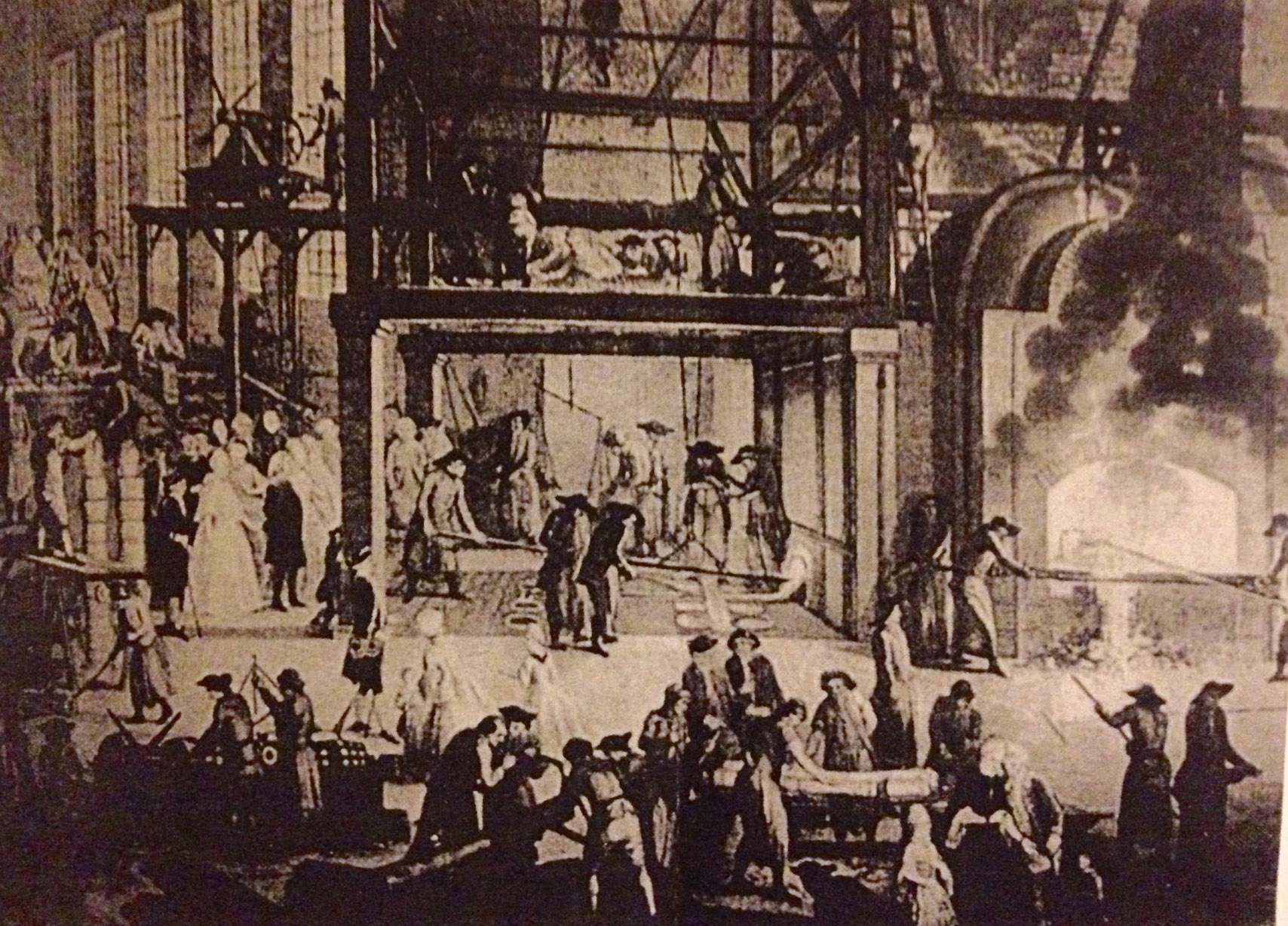
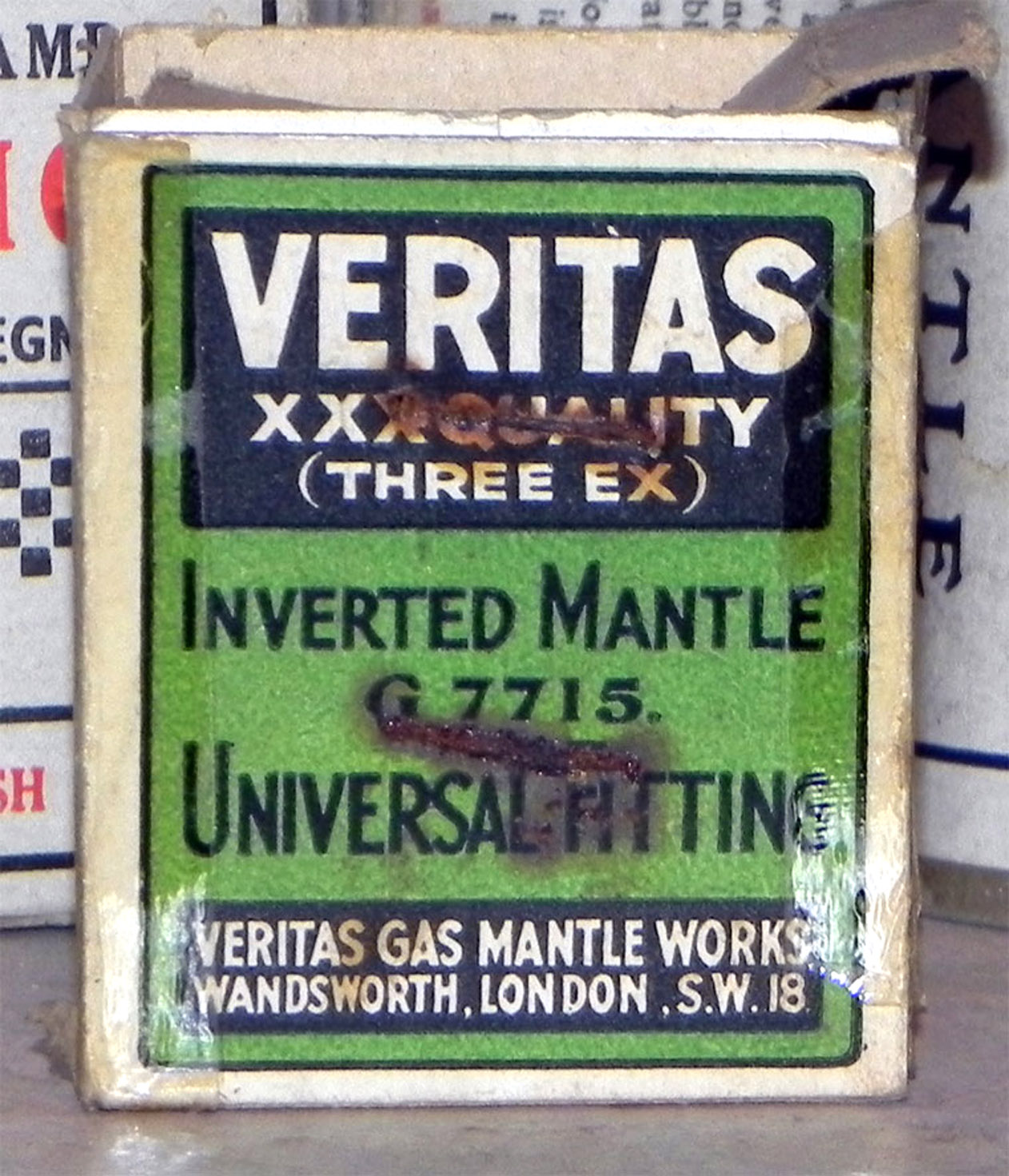
David Hughson in 1808 gave a dramatic description of the activities carried out at the mill: “At these mills are cast shot, shells, cannon, and other implements of war; in another part of it the wrought iron is manufactured, and the great effect of mechanical power is exemplified in all their operations, in the splitting of iron bars of prodigious length; in a pair of shears which will rend asunder pieces of iron more than two inches in thickness; and in the working of a hammer, which weighs from five hundred and a half to six hundred pounds; the timbers employed are of an enormous size, and the wonderful powers of all the elements are here made subservient in the production of various tools and implements necessary for man in the arts of war and peace.” Its an extraordinary spot, tucked in between the Wandle and Garratt Lane, home to all sorts of industry and activity over the years. Iron was soon followed by paper and parchment, then gas mantles and cookery ware. The names of Veritas and Benhams are all writ large into the social history of this area and many thousands of local families passed through the workforce.
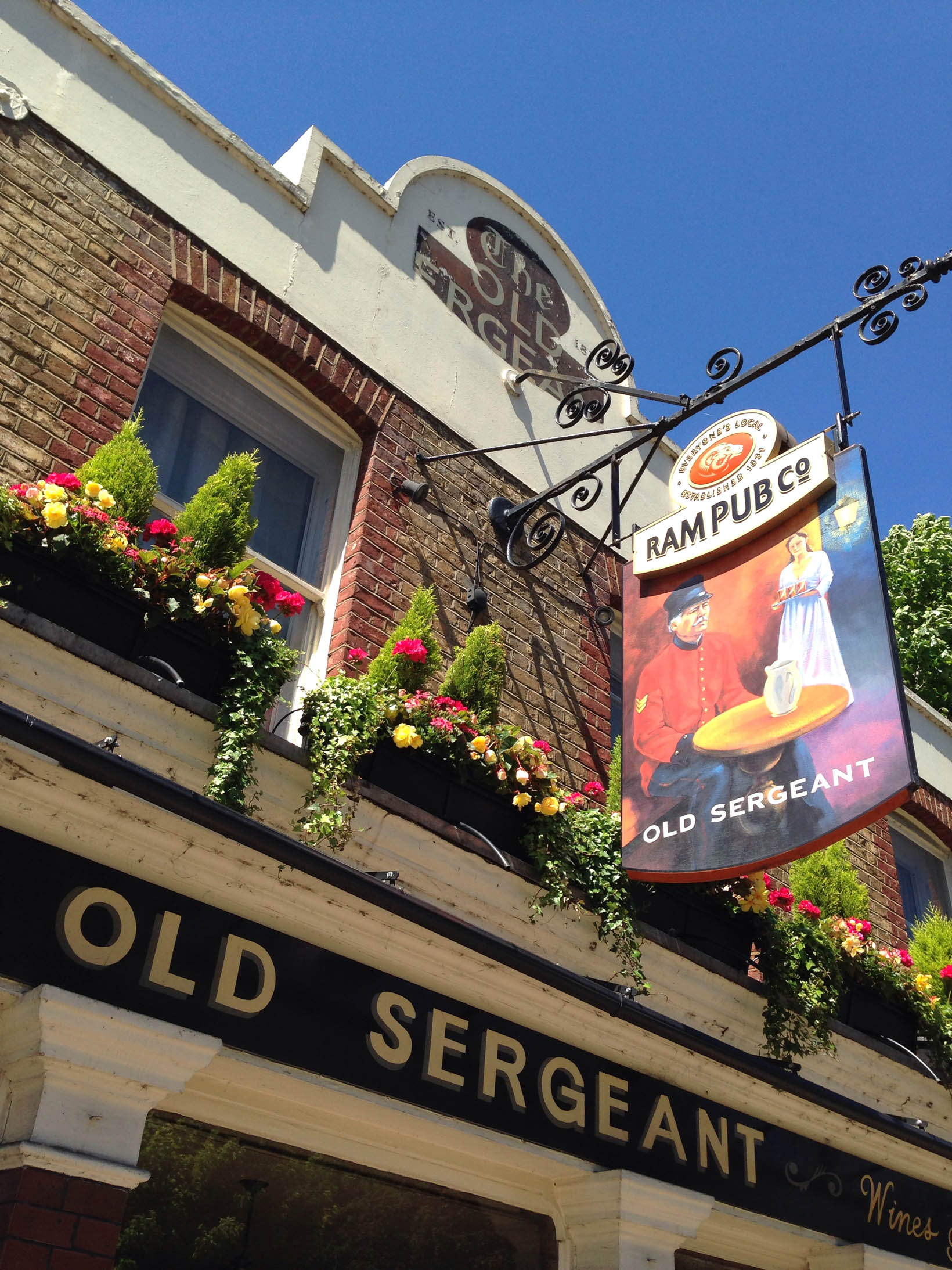
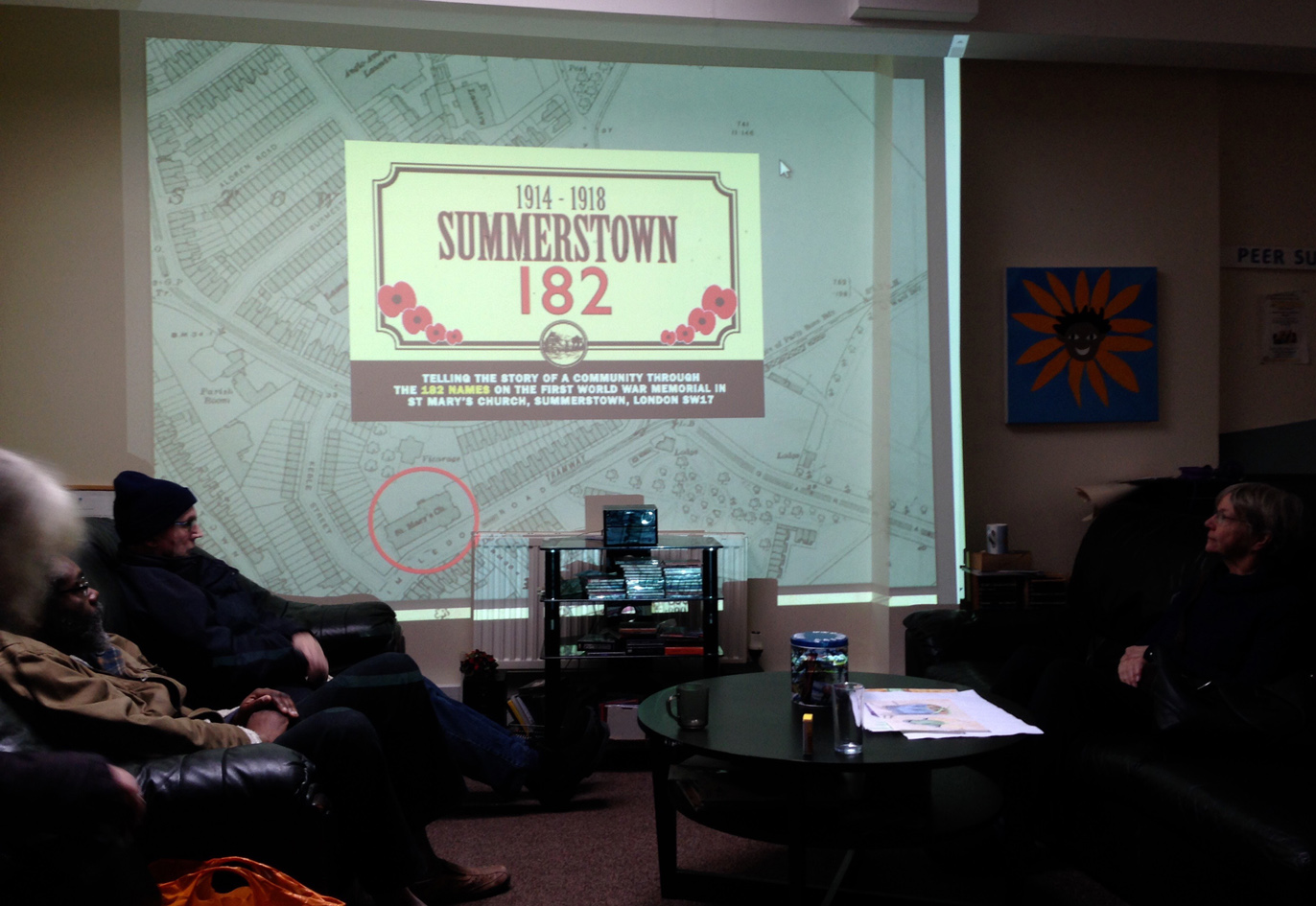
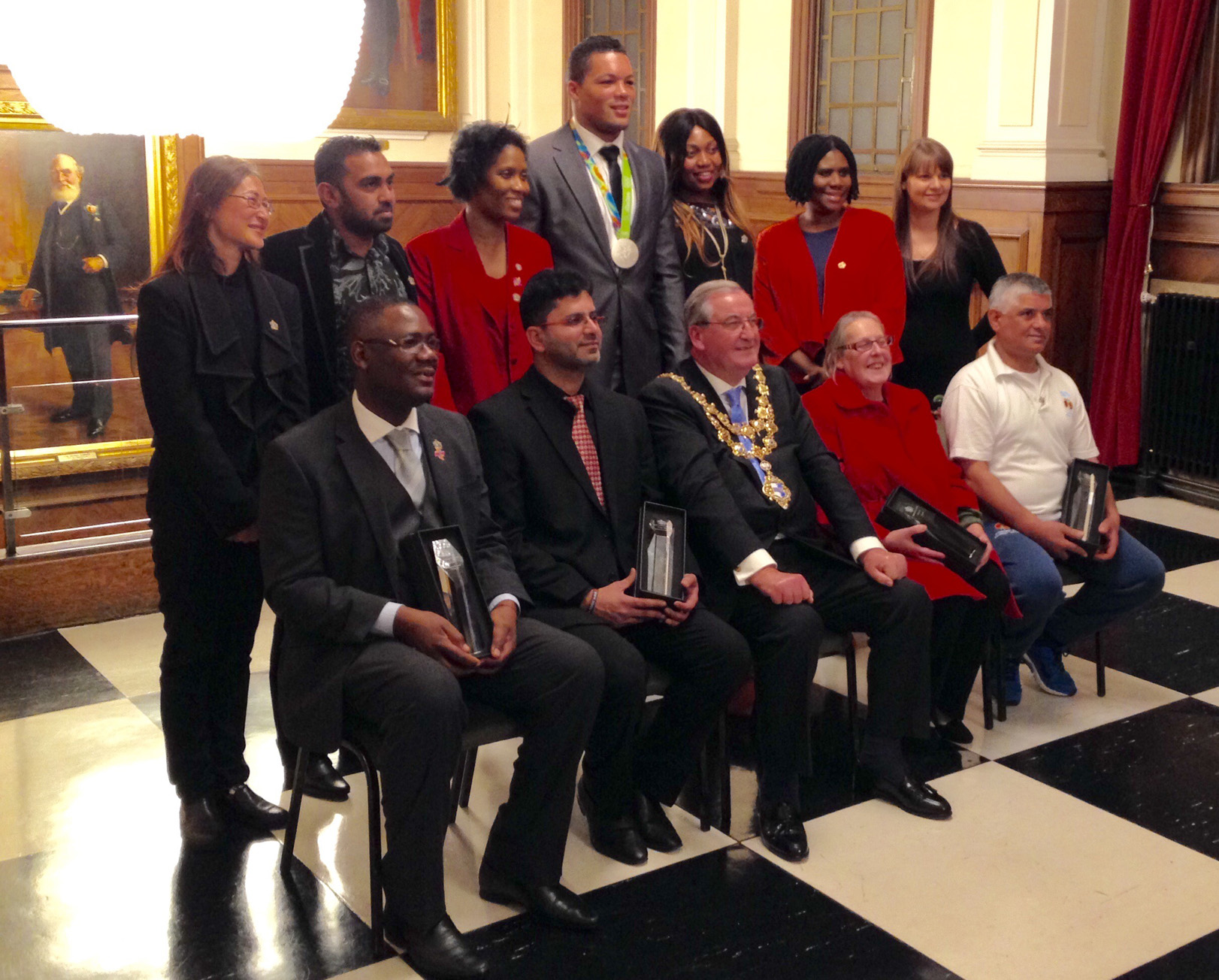
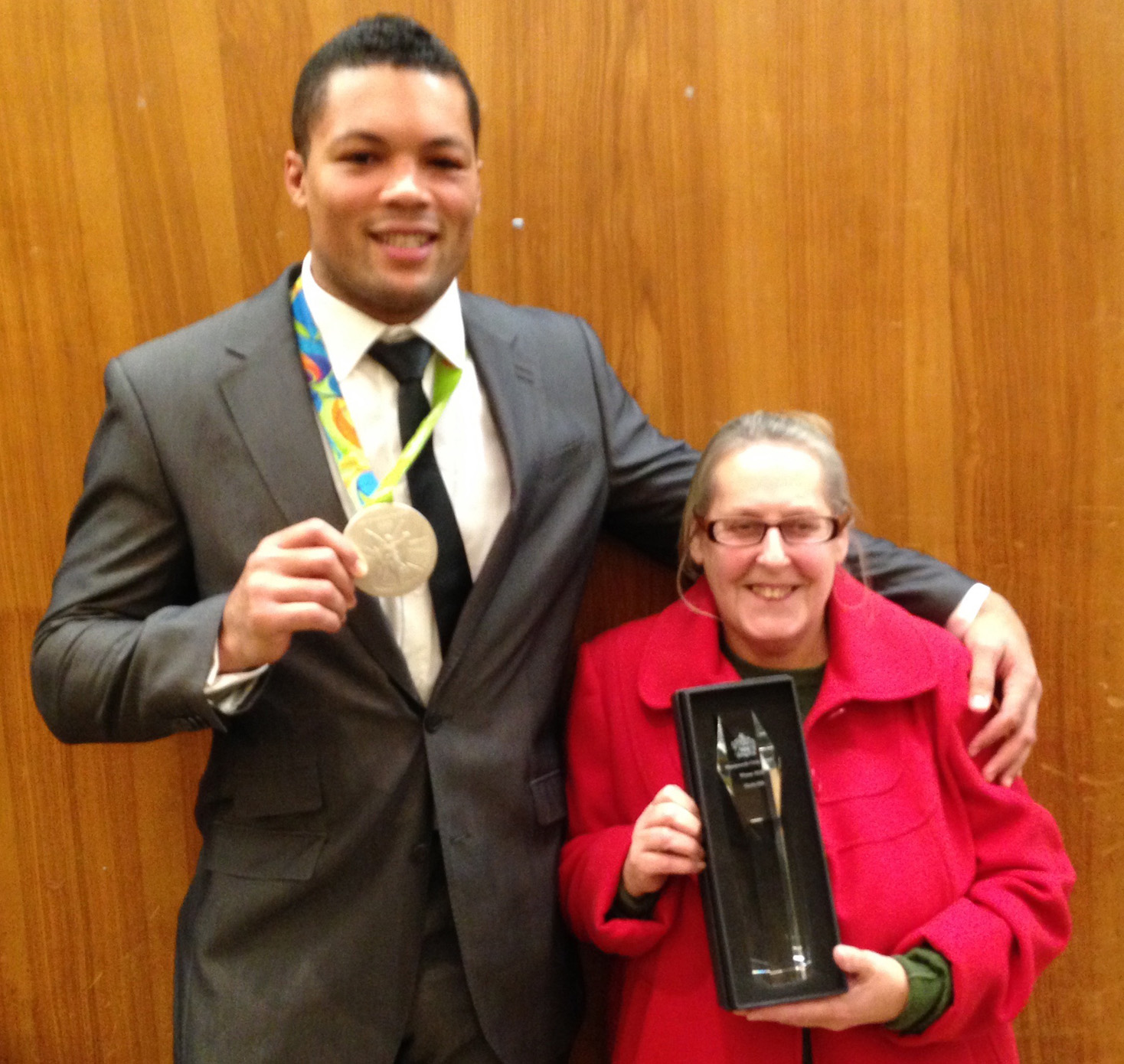
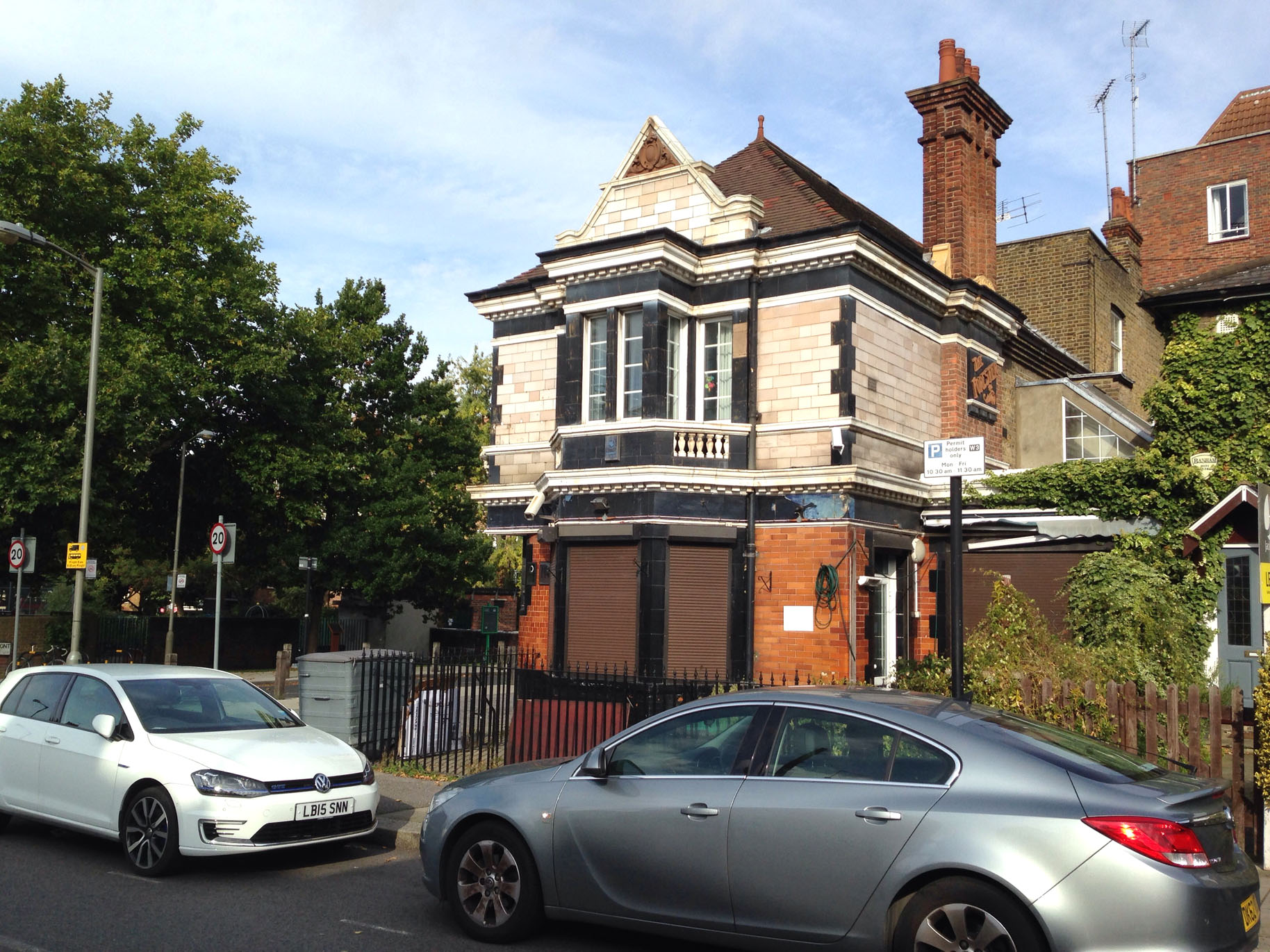
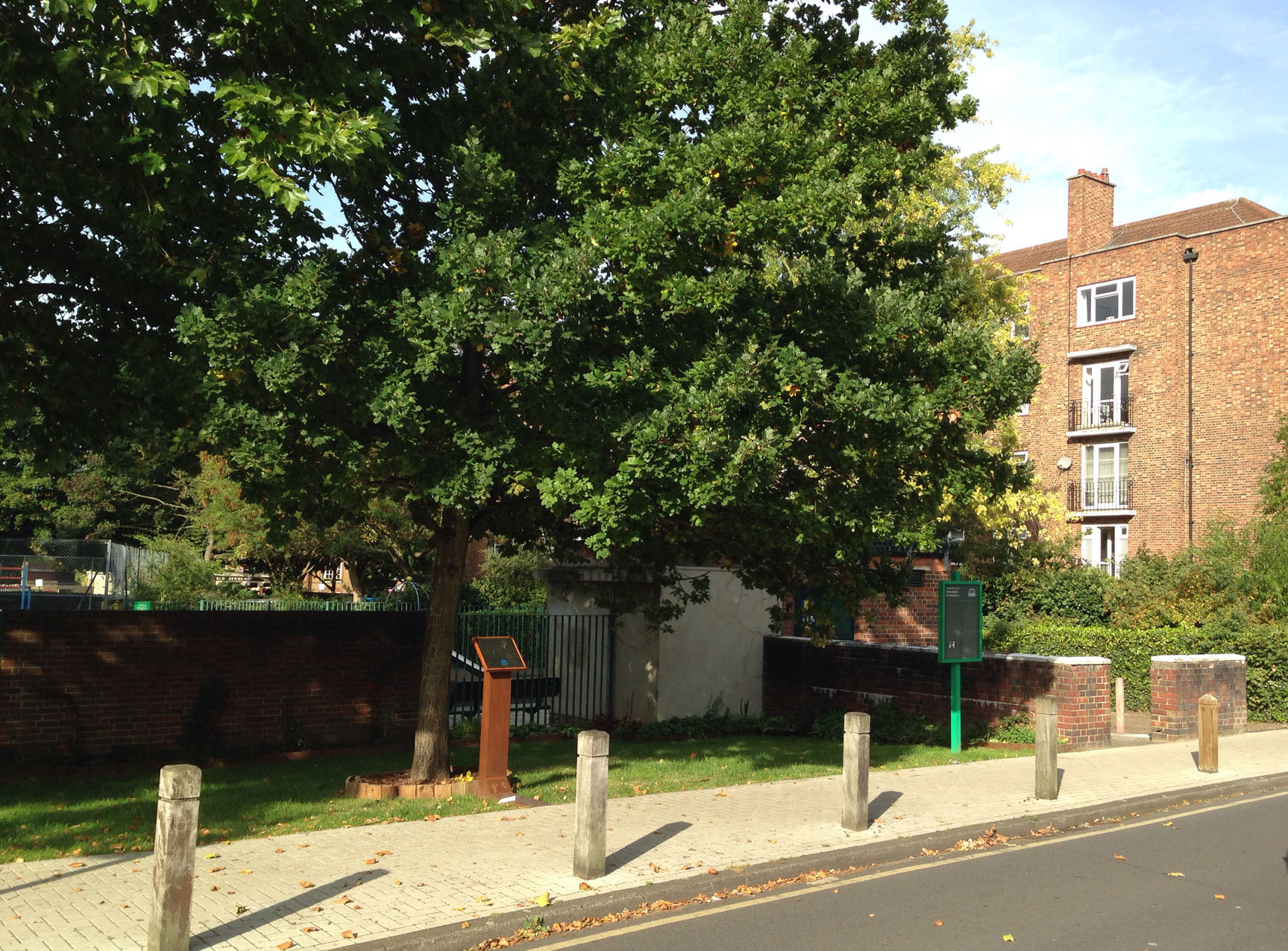
Many of these workers would have slaked their thirst in one of Youngs most popular pubs ‘The Old Sergeant’ still proudly facing All Farthing Lane and doing a roaring trade. Close by, and echoing past industrial activity, a street called Iron Mill Road cuts through the Wendelsworth estate, all utterly changed of course. The Forrester pub was until very recently the headquarters of Wandsworth Mind where we gave a memorable Summerstown182 talk earlier in the year. Close to that Frank Bruno helped the Mayor of Wandsworth plant a ‘Wishing Oak Tree’ to celebrate the Millenium. He was brought up very close by and once trained at the same Earlsfield Boxing Club from where Olympic medalist Joe Joyce has emerged. A bit further up All Farthing lane is the site of the house from which Earlsfield got its name. We are still working on Robert Davis’ connection with Ballymote Convent in Sligo, so watch this space.
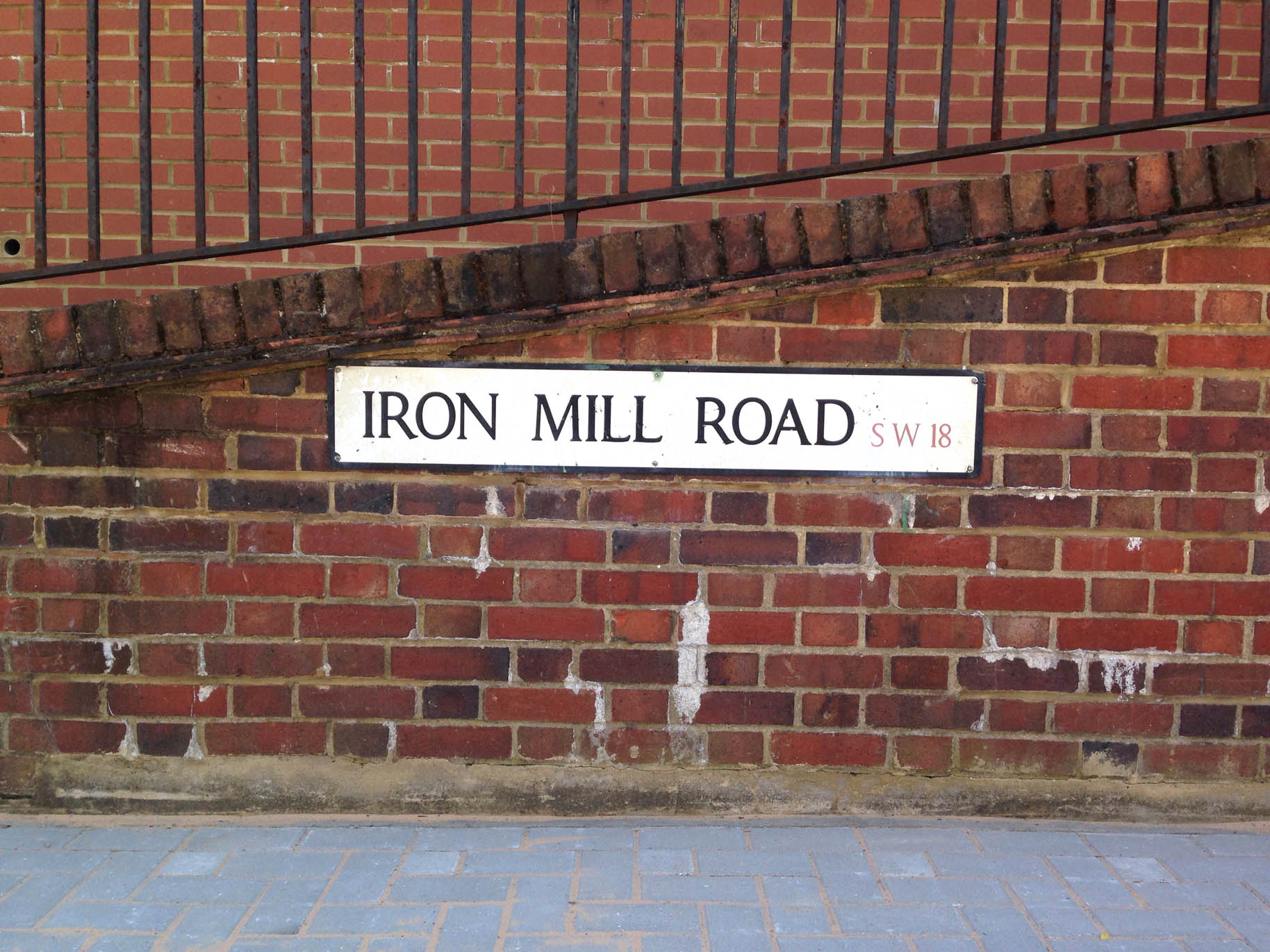
One family who came from this area were the Jones. It looks like there were four brothers who served in the First World War and one of them James, is on the St Mary’s Church war memorial. He was killed on 1st July 1917, just a few weeks short of his twenty-first birthday and his name is inscribed on the Menin Gate at Ypres. He served in the same 23rd London Regiment as the Sunday School Three. James’ father, William Henry Jones, who was the son of a Thames lighterman, worked as a gas fitter, possibly at the enormous Wandsworth Gas Company. He married Mary Ann Wright in St Ann’s Church, Wandsworth on 7th September 1884. It was a stone’s throw from his home in Iron Mill Road. They were still there, living at No6 when their first child William Henry was born in 1886. George was born in 1889, Annie in 1892 and James on 15th July 1896 when they lived a little further up Garratt Lane at 23 Wardley Street. William and Mary were blessed with two further children, Ernest born in 1899 and Jessica in 1905.
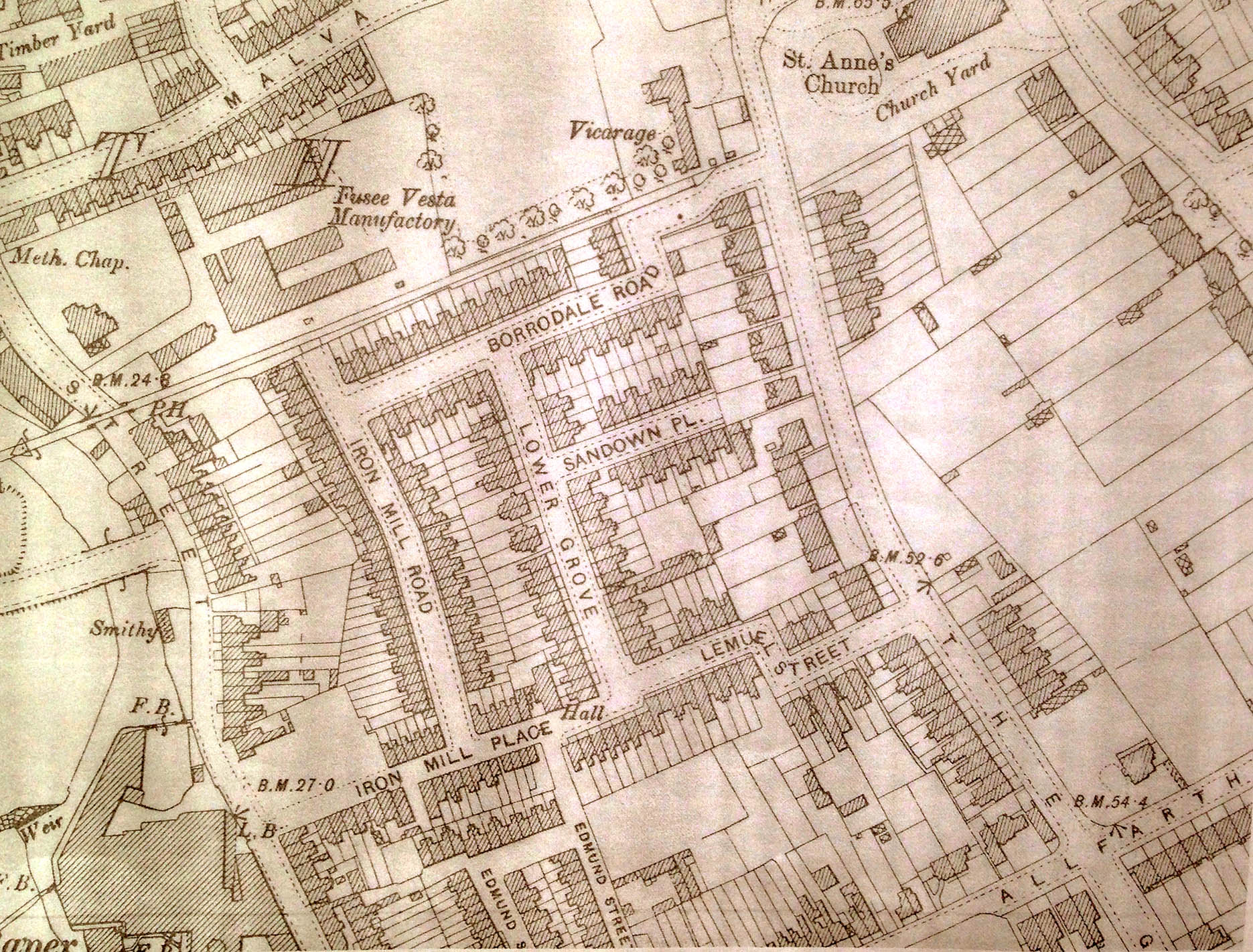
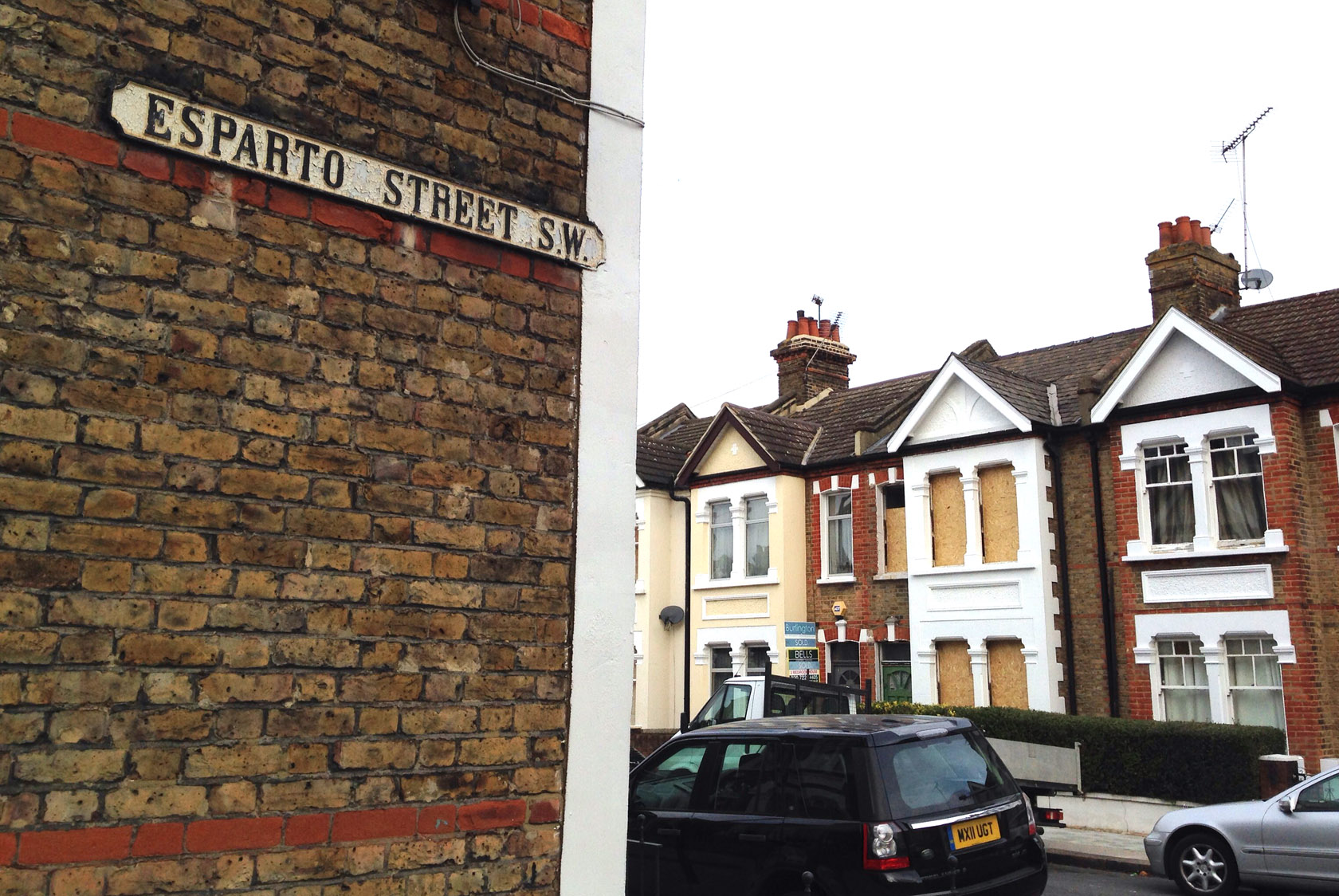
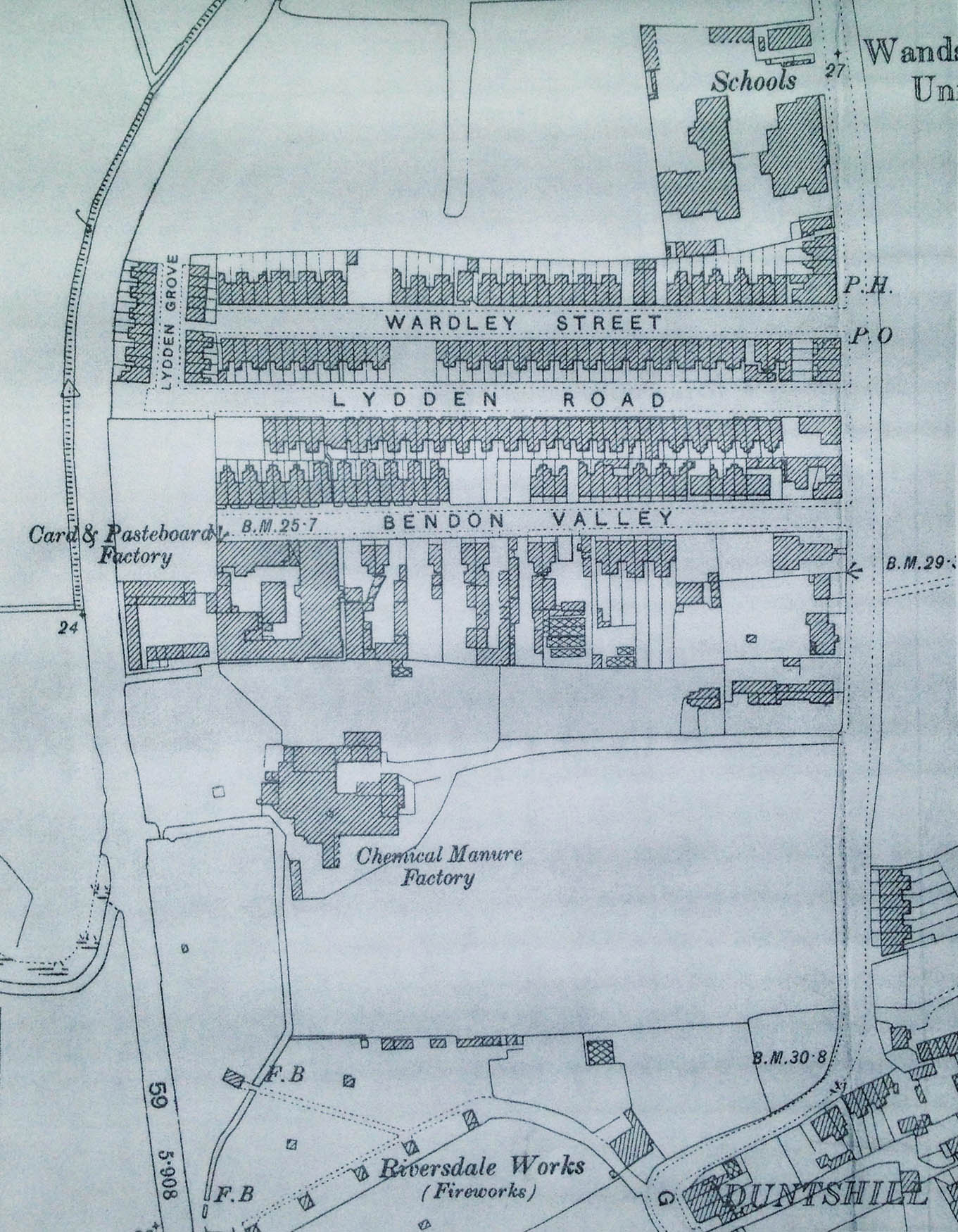
In the 1891 census they were at 14 Lemuel Street, adjoining Iron Mill Road. It is listed in my 2008 A-Z but seems to have disappeared off the map today. William was now working as a gas lamplighter and Mary was a washer and ironer, presumably in one of the many nearby laundries. Her father George was also living with the family. The 1894 map above shows how close they were to William McMurray’s paper mill, (in the bottom left corner) now on the Henckell site. His legacy lives on in the naming of Esparto Street, a grass used in the manufacturing process, grown on McMurray’s estates in North Africa and Spain. By 1901 it would seem the Jones family had moved two roads along from Wardley Street to 31 Bendon Valley. A huge fire at the paper mill saw most of the buildings destroyed and 160 people put out of work, the business never recovered and Benhams and the Veritas Incandescent Mantle company moved onto the site. Henry now worked as a labourer and five children are listed, only the eldest William was employed, working as a carman. The Harrison and Barber horse slaughtering yard and its noxious attendant industries were nearby and would have been in full swing. The 1894 map below shows this place indicated as a ‘Chemical Manure Factory’. It was a nasty business, too taboo seemingly to even be marked on a map. Also close by were the Riversdale Fireworks Factory where three young women were killed in an accident in 1888. This was a rough, tough neighbourhood, a world of horses, drinking, gambling, trading, casual labour and dangerous dirty work.
A move to the other side of the relatively new railway tracks was definitely desirable and the 1911 census saw the family living at 34 Burtop Road. William now aged 48 had forsaken his career in gas and was working for the council as a ‘road scavenger’ and may possibly have brushed shoulders, if not streets with the likes of ‘Tiny’ Ted Foster and the Tooting dustmen. The family had clearly formed a connnection to St Mary’s Church, Summerstown, because Anne married the unusually named Harris Hazael Edwick there in May 1914. On the same register page is George Kitz from 36 Hazelhurst Road. He was one of the ten children of Summerstown Anarchist, Francis who on this document is listed as deceased. He actually lived for another ten years! James other sister Jessica married an Eric Hodson and went on to live at 12 Squarey Street, next door to the widow of Reginald Knight, another Summerstown182 soldier, buried in Ferozepore, India.
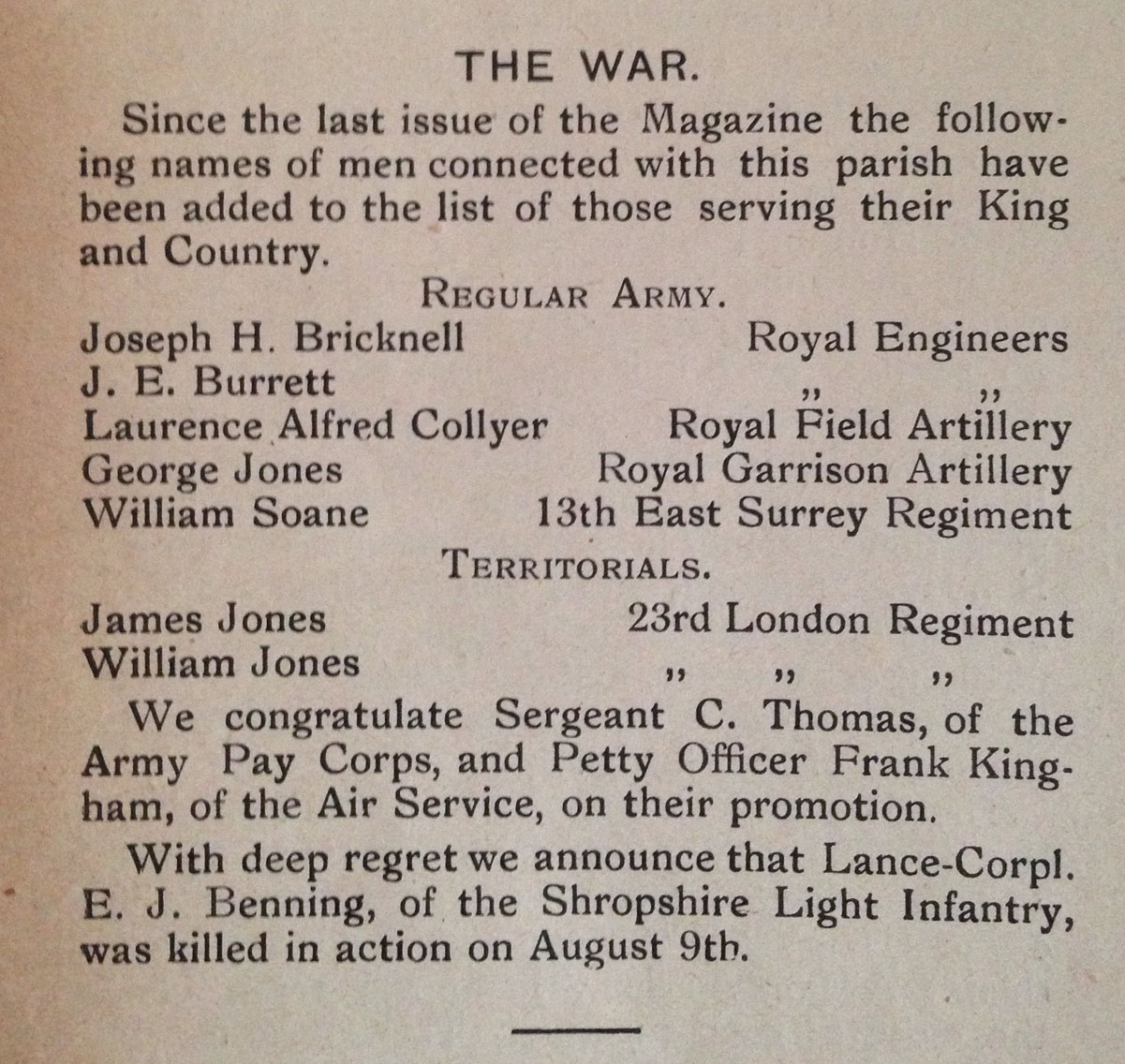
Its hard to read the date on James’ attestation but it looks like he signed up in late May 1915 at St John’s Hill, Clapham Junction. This was around the time of the regiment’s terrible losses at the Battle of Festubert. Whether he was unaware of that or joined as a result, we can’t be sure. Very soon the local paper was full of a list of the dead including William Mace and George Boast. It was referred to as the ‘Gallant Charge of the 23rd’. George Keeley, father of our good friends, V2 survivors John and Arthur, was one of those who came through. In the October 1915 issue of the St Mary’s Church parish magazine, the vicar lists the next batch of ‘men connected with this parish serving their King and Country’. Among them are James and William Jones of 23rd London Regiment and George Jones of the Royal Garrison Artillery. There is no more news of any of them until the October 1917 edition reports that ‘James Jones of the 23rd London Regiment was killed in action on July 1st’.
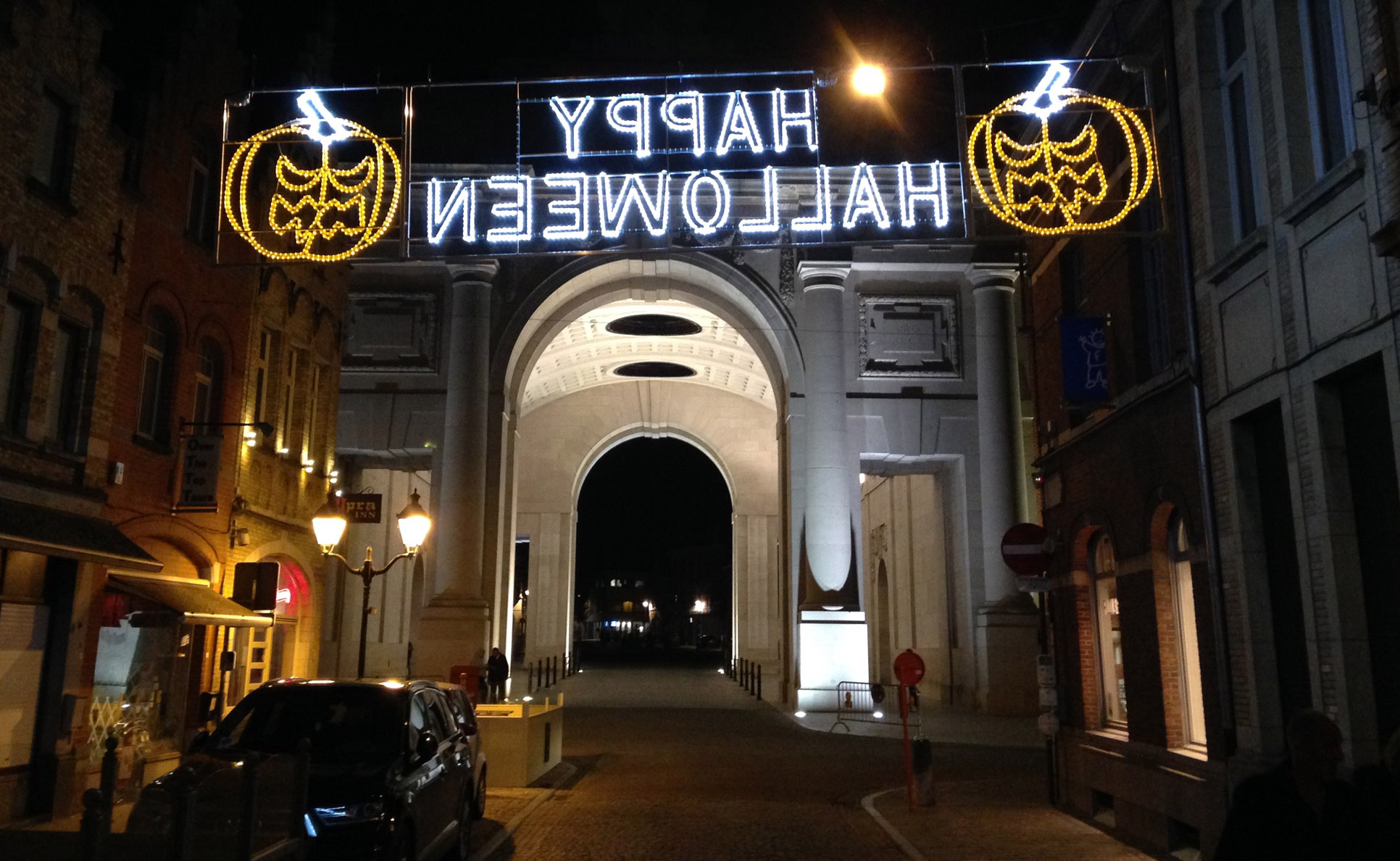
As part of the 47th Division, James Jones and the 23rd London Regiment moved into the front line at Damm Strasse, an area which had been captured earlier that month in the Battle of Messines. They remained in these trenches until relieved on 8th July. The battalion war diary is not particularly forthcoming or indeed accurate about what they did in their time there. The entry for 1st July reads simply that one man was killed and another three wounded. Other records indicate that at least three men were killed on this day and that another two died of their wounds. One of those killed was James Jones, most likely as a result of shell fire. His oldest brother William was a farrier in the transport section of the same regiment. Ernest served with the Northamptonshire Regiment and George Jones was possibly in the Royal Field Artillery. Two of these are listed in the 1918 Absent Voters List, along with brother-in-law Harris Hazael Edwick who was a gunner in the Royal Garrison Artillery. Ernest and Harris were living at No34, William at No32. We believe the George Jones living at 71 Bendon Valley when he attested in January 1915 may be the other brother. Quite a contribution from one family.
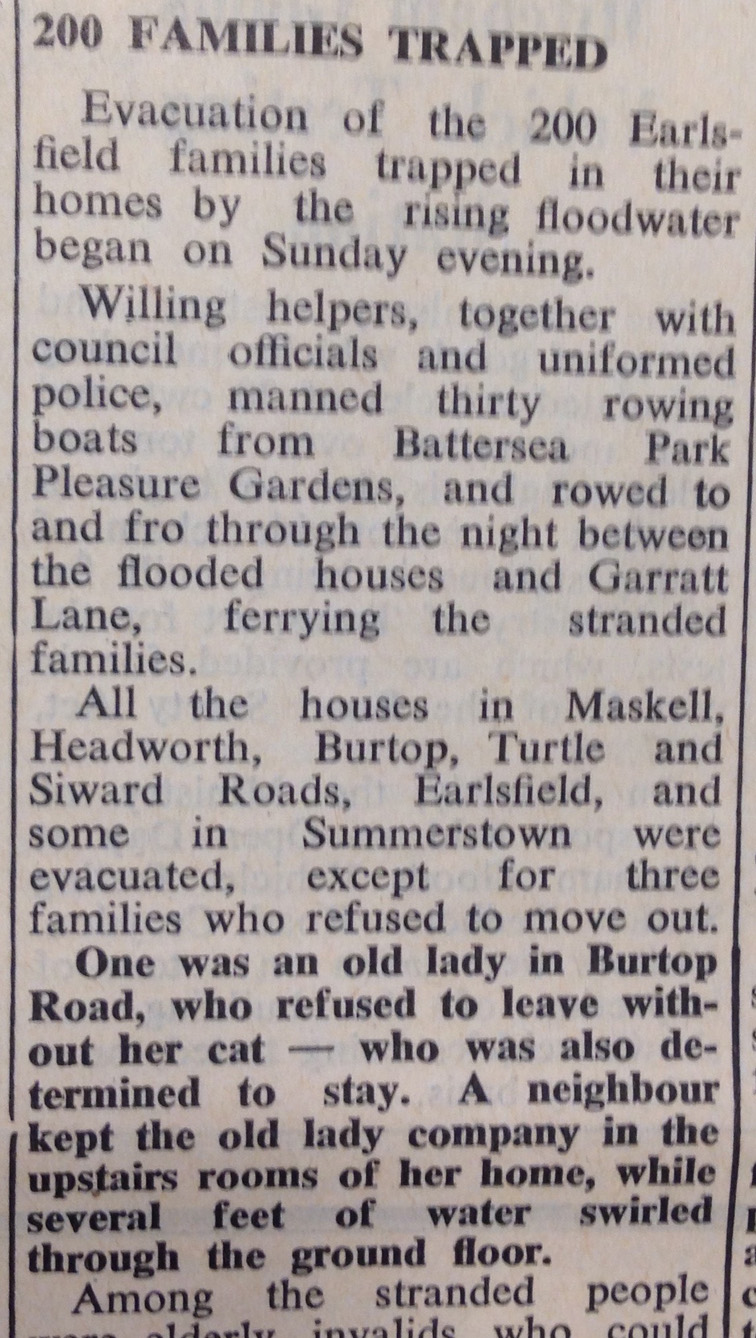
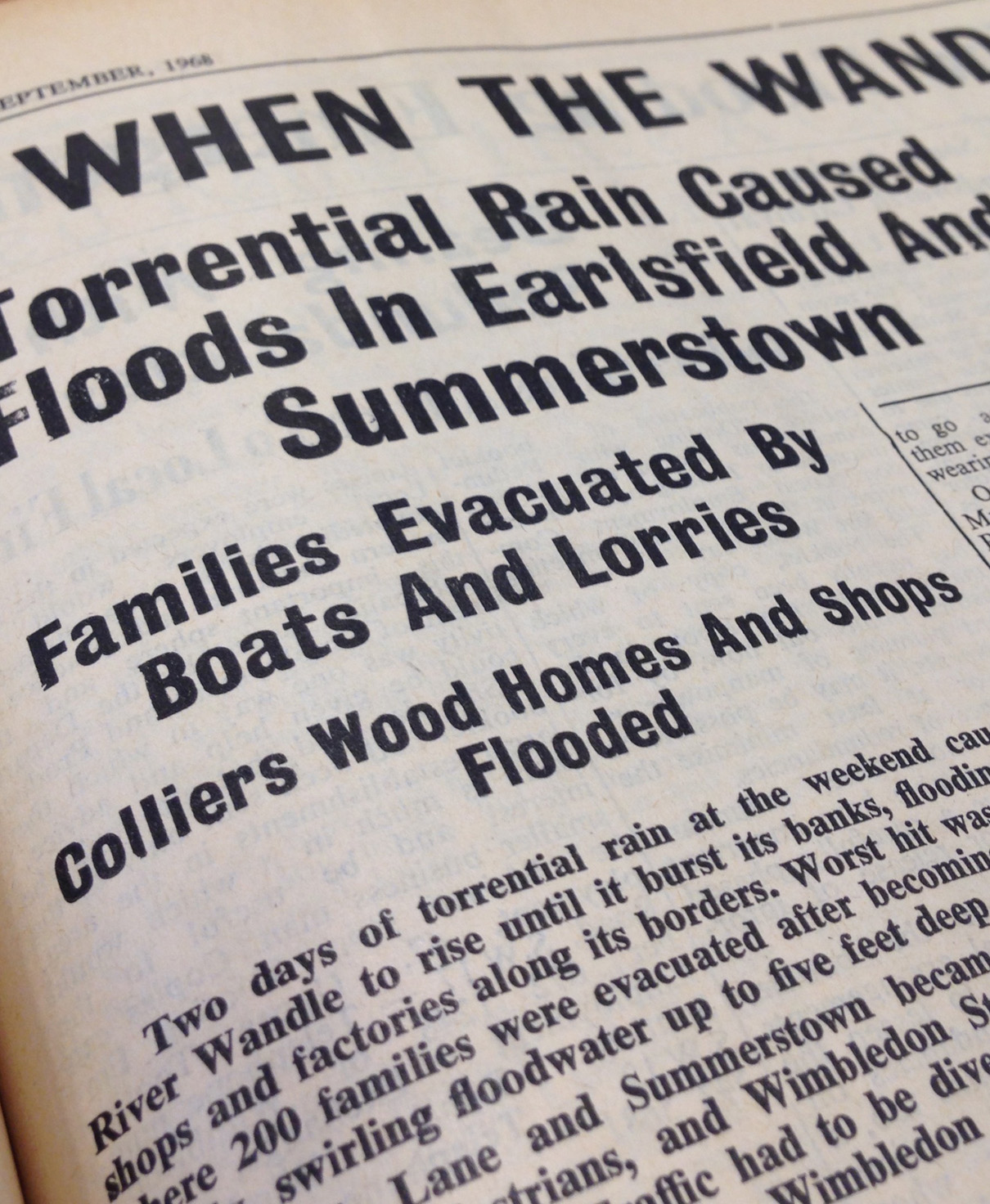
34 Burtop Road continued to have a Jones connection for many years and in the 1939 register, Annie, working as a laundry hand, her husband Harris and mother Mary, aged 75 are listed. Annie Edwick, then aged 76 was still on the electoral roll living at 34 Burtop Road in 1969. She would probably have been one of the many people rehoused after the Wandle burst its banks after two days of heavy rain over the weekend of 14th and 15th September 1968. Two hundred families were evacuated as the waters rose and the local paper reported one old lady in Burtop Road who refused to leave without her cat. ‘A neighbour kept the old lady company in the upstairs rooms of her home, while several feet of water swirled through the ground floor’.